Oil well insurance
3 February 2012 Reading: 11 min Views: 4 932
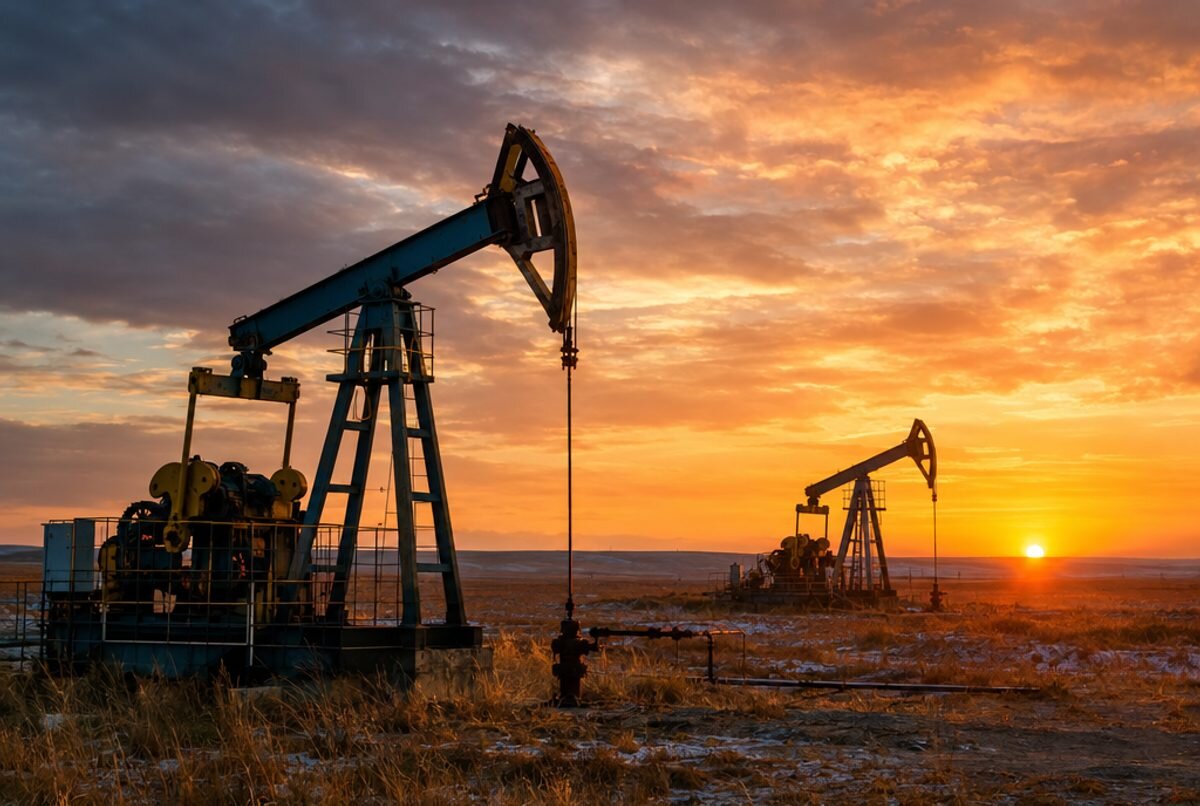
WHY IS INSURANCE NEEDED? To compensate for your possible losses if a well goes out of control and to have funds to regain control over the well
WHY IS INSURANCE NEEDED?
To compensate your possible losses if a well blows out of control and to have the funds to regain control over the well
TYPE (CLASS OF INSURANCE)
VOLUNTARY INSURANCE OF OIL OPERATIONS/DRILLING WORKS
WELL BLOWOUT (LOSS OF WELL CONTROL)
INSURER:
An insurance company of your choice
POLICYHOLDER (WHO MAY ACT AS THE POLICYHOLDER):
You, as a legal entity having an interest in the safety of property that is the subject of drilling works or is used to carry out drilling and workover operations on wells.
The policyholder may be:
• an oil company;
• the Customer;
• the Contractor;
• a subcontractor.
BENEFICIARY:
The legal entity that receives the insurance payout upon the occurrence of an insured event.
WHAT IS INSURED (SUBJECT OF INSURANCE)
Oil, gas, geothermal, water and other wells in which:
1) Drilling, deepening, servicing, repair, workover or preparation for the start of production is being carried out;
2) Oil, natural gas or other liquid or gaseous minerals are being produced;
3) Production of oil, natural gas or other minerals has been temporarily suspended for any reason, and the well has been plugged or otherwise suspended;
4) Production of oil, natural gas or other liquid or gaseous minerals has ceased after depletion of the oil- or gas-bearing formations feeding the well.
Drilling or other equipment provided to the Policyholder by the customer or another owner, or transferred to the Policyholder under rental, hire or leasing agreements, and used on the insured wells, including drill pipe or casing, drill bits and other field equipment, may also be insured, provided that the Policyholder is obliged to compensate damage to such property under the law or such rental, hire or leasing agreements;
At the same time, necessary and reasonably incurred expenses for saving the insured property, including downhole equipment (if the latter is insured), may be insured in the event of the occurrence or threat of occurrence of an event giving rise to the Insurer's obligation to make an insurance payout.
To conclude an insurance contract, a questionnaire must be completed.
WHEN IS A WELL CONSIDERED OUT OF CONTROL?
A well is considered out of control if a flow of drilling fluid, oil, gas or water suddenly occurs, escaping from the wellhead to the surface of the ground, the seabed or the bed of other bodies of water, and if:
Such flow cannot be quickly enough
- stopped by using the blowout preventers or other well control equipment available in the field, which is designed to prevent blowouts and should be present in the field, given the conditions of the drilling works;
- stopped by increasing the weight or pressure of the drilling fluid column or by filling the well with other similar materials, or
- used to produce the relevant minerals without danger to the field, any property or human life, or if
The occurrence of such flow results in the relevant well being declared out of control by the state mining supervision authorities or other official bodies vested with the relevant powers by law.
WHEN IS CONTROL OVER THE WELL REGAINED?
Control over a well that has blown out of control is considered regained if:
1. The flow of liquid or gas that caused the loss of well control ceases, is stopped or can be stopped without danger to the field, any property or human life by using the appropriate equipment available in the field;
2. Drilling, deepening, completion or repair works on the wells, or other works of a similar nature, carried out immediately before the insured event, have been resumed or can be resumed immediately.
3. The insured well has been returned to the condition it was in immediately before the insured event, that is, production of oil, gas or other minerals has been restored at a producing well, a suspended well has been suspended again, etc.;
4. The flow of oil or gas that caused the loss of well control can be used to produce the relevant minerals without danger to the field, other property or human life.
5. Control is considered regained from
the moment of a corresponding statement by the
state mining supervision authorities
or other official bodies vested with the
relevant powers by law.
TERMS OF INSURANCE
(INSURED RISKS)
An insured risk is a presumed event against the occurrence of which an insurance contract is concluded.
An insured event is a sudden and unforeseen external impact on the insured wells and other insured objects that results in a loss of well control, a fire or another hazard, leading to damage to or loss (destruction) of the wells and other insured property and giving rise to the Insurer's obligation to make an insurance payout.
The Insurer reimburses the expenses incurred by the Policyholder:
• In connection with regaining control or attempts to regain control over insured wells that have previously blown out of control,
• When extinguishing or attempting to extinguish a fire at an insured well burning above the surface of the land or seabed,
• When extinguishing or attempting to extinguish a fire at other wells caused by the loss of control of an insured well,
• When extinguishing or attempting to extinguish any other fire that has broken out in the field and threatens a loss of control or ignition of an insured well,
The following may also be reimbursed:
• Expenses for redrilling or restoring the insured wells or any section thereof, if the damage to or destruction (loss) of the well occurred as a result of:
• A loss of well control;
• Damage to drilling or workover equipment or drilling platforms as a result of:
- an explosion above the surface of the ground or seabed;
- a lightning strike;
- a collision with land, water or air vehicles;
- a storm or hurricane;
- a flood;
- the collapse of a drilling tower, derrick or crane;
- an earthquake, volcanic activity or tsunami (but only if the insurance contract provides insurance cover for these perils).
• Breakage or sticking of the drilling tool.
Expenses incurred by the Policyholder in connection with regaining control or attempting to regain control over a sudden and unexpected underground flow of oil, gas, water or other fluid moving along the bore of an insured well from one underground reservoir to another (underground blowout).
EXCLUSIONS
Events resulting from the following are not recognised as insured events:
• War and hostilities of any kind and their consequences, whether such war is declared or not;
• The use of nuclear energy in any form and the consequences of such use;
• Civil war, armed uprising, rebellion, actions of armed insurgents or terrorists, as well as actions of the authorities aimed at suppressing them;
• Confiscation, requisition, seizure, destruction of or damage to property by order of military or civil authorities, or other actions of administrative bodies;
• Intent of the Policyholder, the Beneficiary, their managers or representatives, as well as persons acting in their own name but with the knowledge and in the interests of the Policyholder or the Beneficiary, as well as violation by any of these persons of the established rules for handling the insured property;
Note: The Policyholder, the Beneficiary, their manager or representative is deemed to act intentionally if he or she was aware of the danger of his or her actions (inaction), foresaw the possibility of an insured event, and knowingly allowed the insured event to occur or was indifferent to it;
• Detonation or explosion caused by the use or storage of explosives;
• Imposition on the Policyholder, its subcontractors or its employees of fines, forfeits, penalties or other monetary sanctions under the applicable legislation or any contract;
• Downtime, temporary inability to use the insured property and other indirect losses caused, in particular, by a delay in or late delivery of products, an interruption in production, failure to meet drilling deadlines or late commissioning of wells, a decrease in well productivity or flow rate or a drop in pressure in the oil- or gas-bearing formation, inability to use the insured wells or other similar reasons, even if such indirect losses were caused by an insured event;
• Environmental pollution;
• Harm to the health or property of third parties;
• Works to regain control or attempts to regain control over an insured well if it was declared out of control by order of the state mining supervision authorities or other official bodies vested with the relevant powers by law;
• Works carried out outside the territory of insurance;
• Damage to wells, their underground sections or underground equipment;
Unless specifically agreed in the insurance contract, damage resulting from the following is not compensated:
• Drilling, repair, servicing, strengthening or deepening of wells, if such works were started and not completed before the commencement of insurance;
• Theft, disappearance without trace, shortages or damage discovered during an inventory;
• Internal breakdowns, engine explosions or other similar causes;
• Errors in the engineering, construction or design of equipment.
SUM INSURED
The sum insured under the insurance contract may be set by agreement of the parties as an aggregate (annual) limit of liability for the damage covered by the insurance for all events combined during the one-year period of insurance.
Separate limits of liability may be set for each loss event and for each insured well.
DEDUCTIBLE (WHAT IS A DEDUCTIBLE, TYPES)
A deductible is the Policyholder's own participation in a loss, releasing the insurer from compensating losses not exceeding a certain amount;
Why it is needed: the Policyholder should be interested in the insured event not occurring;
2 types of deductible:
n Unconditional (deductible)
n Conditional (non-deductible, franchise).
With an unconditional deductible, the insurance payout is made less the established deductible.
INSURANCE PAYOUTS AND CLAIMS SETTLEMENT
To receive an insurance payout, you need to do the following:
1) report the occurrence of the insured event in good time (as a rule, within 3 working days) by any means convenient to you (phone, text message, e-mail, fax, etc.);
2) contact the competent authorities and services;
3) minimise the consequences of the insured event and take all possible measures to reduce the damage;
4) collect the documents specified in the Insurance Contract for receiving the payout and submit them to the insurance company.
INSURANCE PREMIUM
The insurance premium is the amount of money you pay the Insurer for assuming the obligation to make an insurance payout in the amount determined by the Insurance Contract.
Insurance premium = sum insured * insurance rate
INSURANCE RATE (HOW IS IT DETERMINED?)
The insurance rate depends on:
• the type of well;
• the depth of the well (at the start of drilling, design depth);
• the number of wells;
• the value of the wells or the limit of liability;
• natural or climatic factors increasing the degree of risk (high seismicity, risk of volcanic eruption, flood risk, etc.);
• the type of soil;
• the characteristics of the well;
• the well drilling method;
• the qualification level of the personnel, etc.;
PLEASE NOTE (OUR RECOMMENDATIONS)
1) when filling in the questionnaire, try to provide your insurance broker with information that is as correct and reliable as possible;
2) before concluding an insurance contract, study the Contract itself and the Insurance Rules, and if you have any questions, ask your insurance broker to clarify any clause that is unclear to you.