Voluntary crop insurance
25 June 2011 Reading: 4 min Views: 3 204
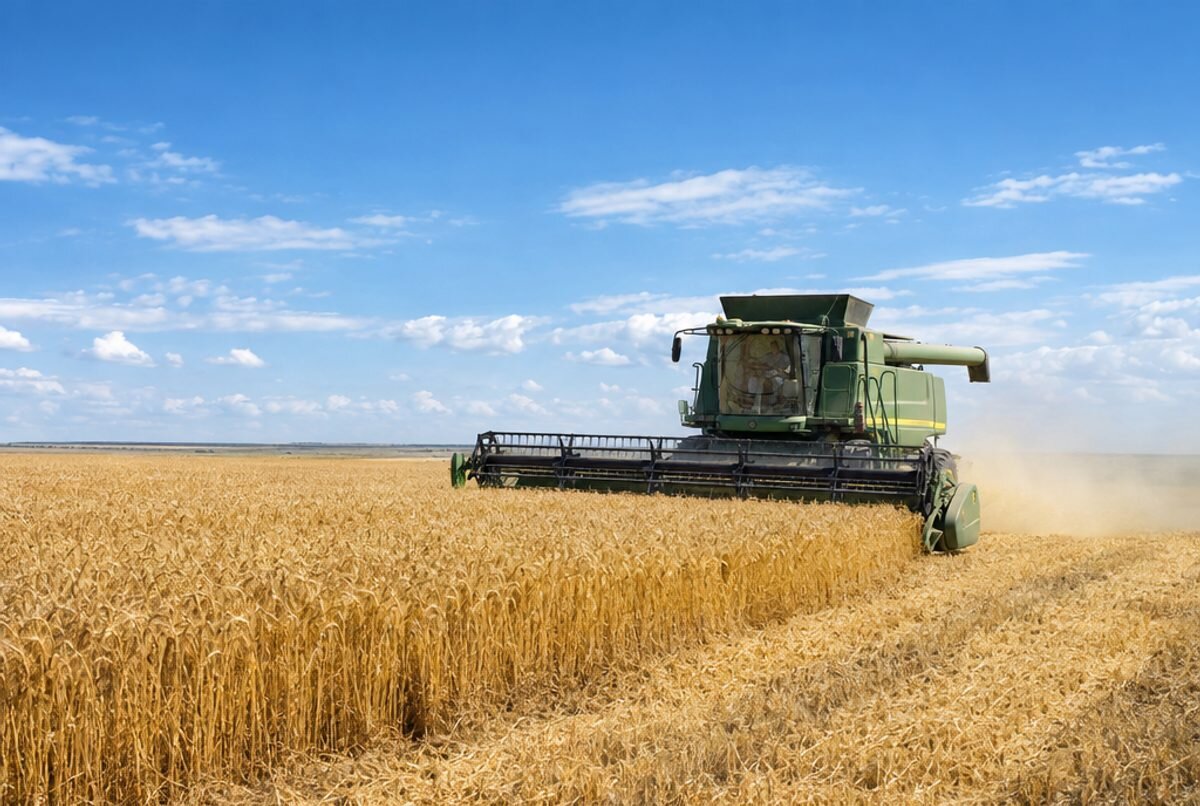
Crop insurance. Its main purpose is to protect the property interests of agricultural producers – farmers and peasants who grow certain types of grain and oilseed crops, as well as cotton and sugar beet – against the consequences of adverse natural conditions defined by the Law. Unfortunately, adverse weather and natural disasters – such as drought, extremely high temperatures, hail, dry winds, hurricanes, storms, downpours, floods and mudflows – affect vast territories at the same time and lead to crop losses on many farms. According to the Law, insuring against all th...
Crop insurance
Its main purpose – is to protect the property interests of agricultural producers – farmers and peasants who grow certain types of grain and oilseed crops, as well as cotton and sugar beet – against the consequences of adverse natural conditions defined by the Law. Unfortunately, adverse weather and natural disasters – such as drought, extremely high temperatures, hail, hot dry winds, hurricanes, storms, downpours, floods and mudflows – simultaneously affect vast areas and lead to crop losses on many farms.Under the Law, every agricultural producer is obliged to be insured against all of this.
The following are subject to crop insurance:
- grain crops (wheat, barley, maize, rice, millet, oats, etc.);
- oilseeds (soybean, sunflower);
- cotton;
- sugar beet.
The cost of insurance depends on:
- the size of the sown area
- the amount of the sum insured
- the type of agricultural crop
- the natural and climatic zone
The basis for concluding a compulsory crop insurance contract is a written application form of the established format (available from the insurer or an agent), which is an integral part of the insurance contract.
What documents are required to conclude an insurance contract:
- application form;
- taxpayer registration number (RNN);
- certificate of having a bank account;
- deed of the right to use the land plot.
What is an insured event?
If HAIL has fallen on your fields
or DROUGHT has struck your fields
or they have been flooded by TORRENTIAL RAINS
or a FLOOD has occurred
or your crops have been hit by FROST
or perhaps they have been damaged by HOT DRY WINDS
or you have a SHORTAGE OF IRRIGATION WATER
- this means that your crops have been exposed to an ADVERSE NATURAL PHENOMENON, i.e. an INSURED EVENT has occurred.
WHAT should you DO in this situation?
1. Call the branch of the Insurance company
2. Come to the branch and write an application (within 5 working days)
3. Obtain a certificate from Kazhydromet or the emergency situations agency confirming that the Adverse Natural Phenomenon occurred. Make a copy of the document!
4. Submit an application to the akimat to set up a commission to determine the sown areas affected by the Adverse Natural Phenomenon. Make a copy of the document!
IMPORTANT TO KNOW!
• If the Adverse Natural Phenomenon is short-term (hail, downpour, frost, strong wind, mudflow), you must come to the akimat within 3 working days
• If your crops have been exposed to a long-term Adverse Natural Phenomenon (drought, winterkill, lack of heat, excessive soil moisture, excessive air humidity, flood, low water, hot dry winds), the application to the akimat can be submitted within 10 working days
INSURANCE PAYOUT
The insurance payout is made in the amount of the Policyholder's loss within the sum insured.
The sum insured is calculated as follows: the sown area is multiplied by the standards of direct production costs, which are determined annually for each region by a Government resolution. The Law also sets the maximum insurance tariff.
How is the loss calculated?
Total loss of crops:
The cost standard per hectare multiplied by the affected area
Partial loss of crops:
• At harvest, the gross yield from the damaged areas is assessed together with the statistics authorities or by test threshing
• The market value of the produce harvested from one hectare is calculated on the basis of Food Contract Corporation prices
• The difference between the cost standard and the market value of produce per 1 ha of damaged area is determined
• The resulting difference is multiplied by the size of the damaged area
IMPORTANT TO KNOW!
• Calculations take into account the cost standard established at the time the insurance contract was concluded
• In the event of total loss of crops, the insurance payout is made within 10 working days after receipt of all documents
• In the event of partial loss of crops, the insurance payout is made no earlier than 1 month and no later than 3 months from the end of harvesting, after the Insurance company has received all documents.